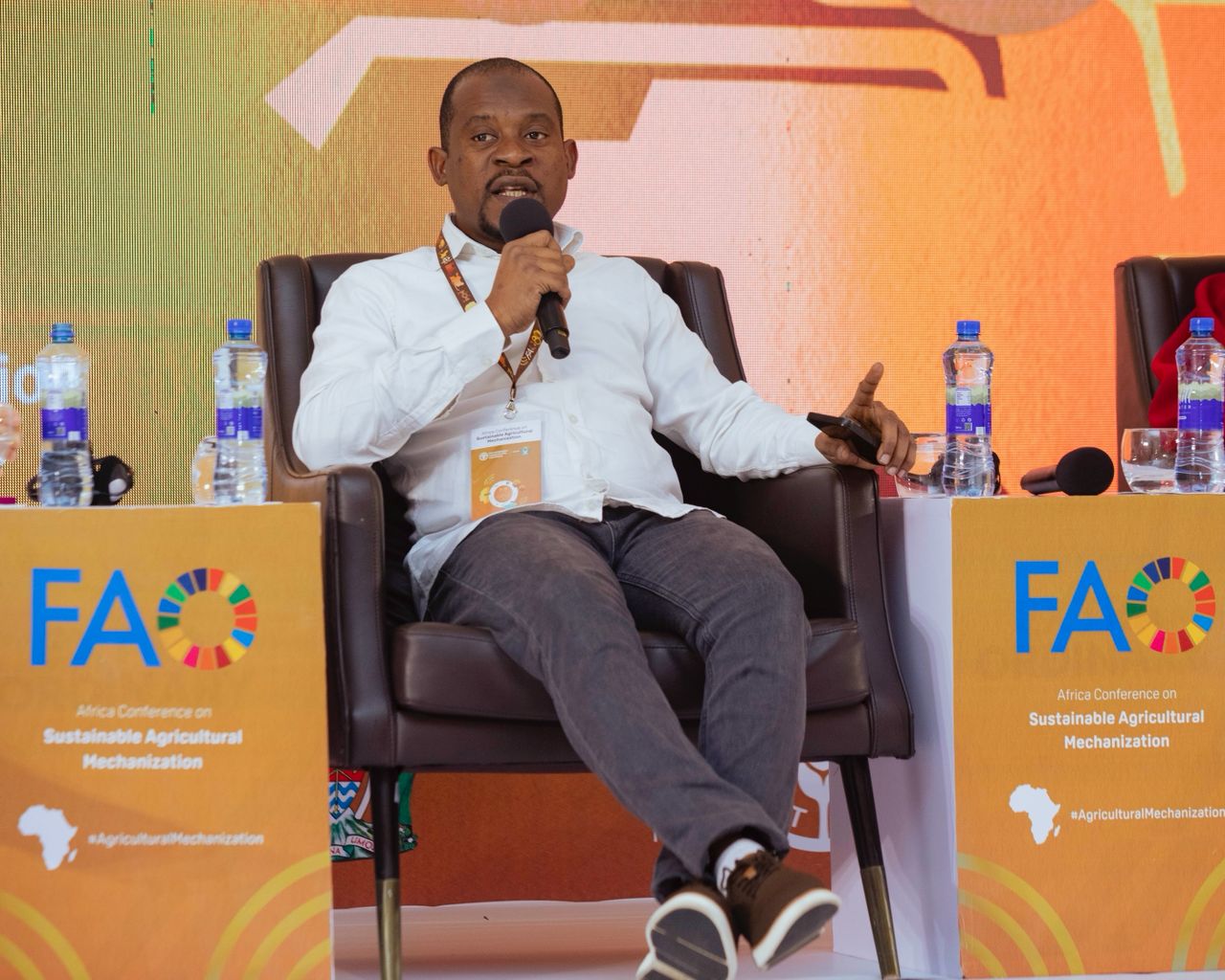
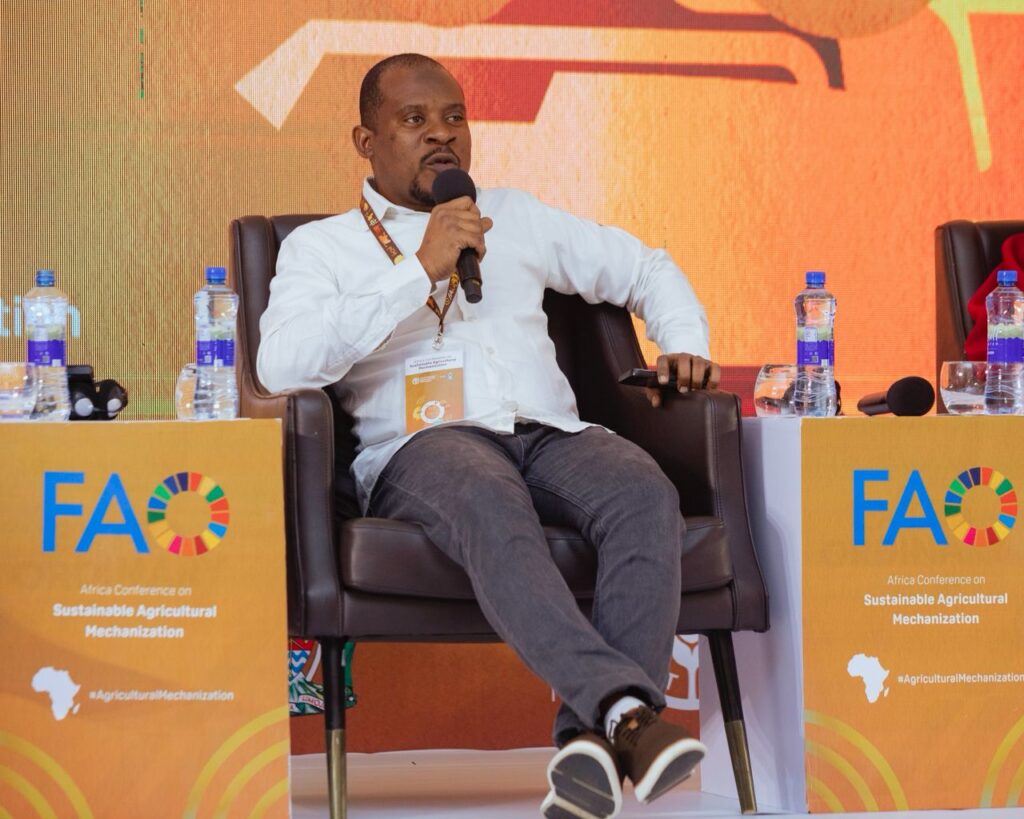
Kamal Deen Yakub at ACSAM 2026. Kamal Deen Yakub speaks on digital innovation and sustainable agricultural mechanization at the FAO Africa Conference on Sustainable Agricultural Mechanization 2026 in Tanzania. Africa’s agricultural sector continues to face major challenges, including low productivity, limited access to farm machinery, high production costs, and the effects of climate change. To address these issues, stakeholders across the continent are increasingly focusing on sustainable agricultural mechanization as a key driver of transformation. It was against this backdrop that the Africa Conference on Sustainable Agricultural Mechanization (ACSAM) 2026 was held, bringing together policymakers, development partners, innovators, and private-sector leaders to shape the future of agriculture in Africa.
Table of Contents
Among the notable contributors to the conference was Kamal Deen Yakub, who participated as a speaker and panelist, sharing insights on the role of digital innovation in agricultural mechanization. His participation added a strong private-sector and technology-driven perspective to the discussions, particularly around how digital platforms can improve access to mechanization services for smallholder farmers.
This article explores Kamal Deen Yakub’s participation at ACSAM 2026, the key issues he addressed, and the broader significance of his contribution to Africa’s agricultural transformation agenda. Kamal Deen Yakub at ACSAM 2026.
Overview of the Africa Conference on Sustainable Agricultural Mechanization 2026
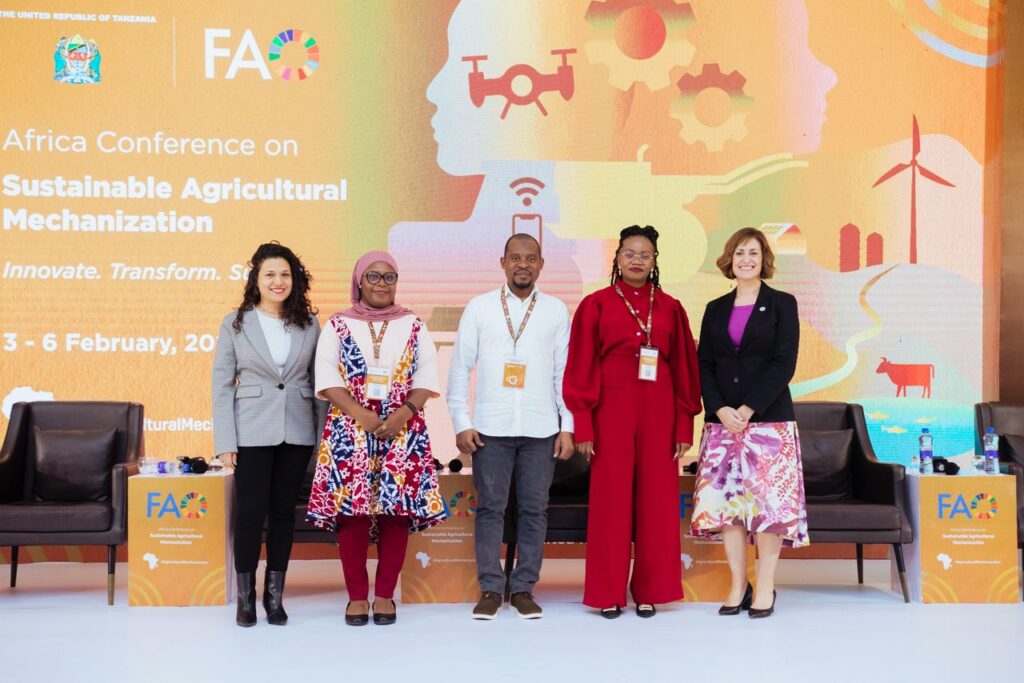
The Africa Conference on Sustainable Agricultural Mechanization 2026 was held in Dar es Salaam, Tanzania, from 3 to 6 February 2026. The event was organized by the Food and Agriculture Organization of the United Nations (FAO) in collaboration with the Government of the United Republic of Tanzania. It attracted high-level participation from African governments, international organizations, research institutions, agribusiness leaders, and development partners.
The conference aimed to promote sustainable mechanization as a pathway to achieving:
- Increased agricultural productivity
- Improved food security
- Job creation, especially for youth and women
- Climate-smart and environmentally responsible farming practices
Under the theme of innovation, transformation, and sustainability, ACSAM 2026 provided a platform for sharing policy experiences, technological solutions, and investment opportunities that can accelerate mechanization across Africa. Kamal Deen Yakub at ACSAM 2026.
Kamal Deen Yakub’s Role at ACSAM 2026
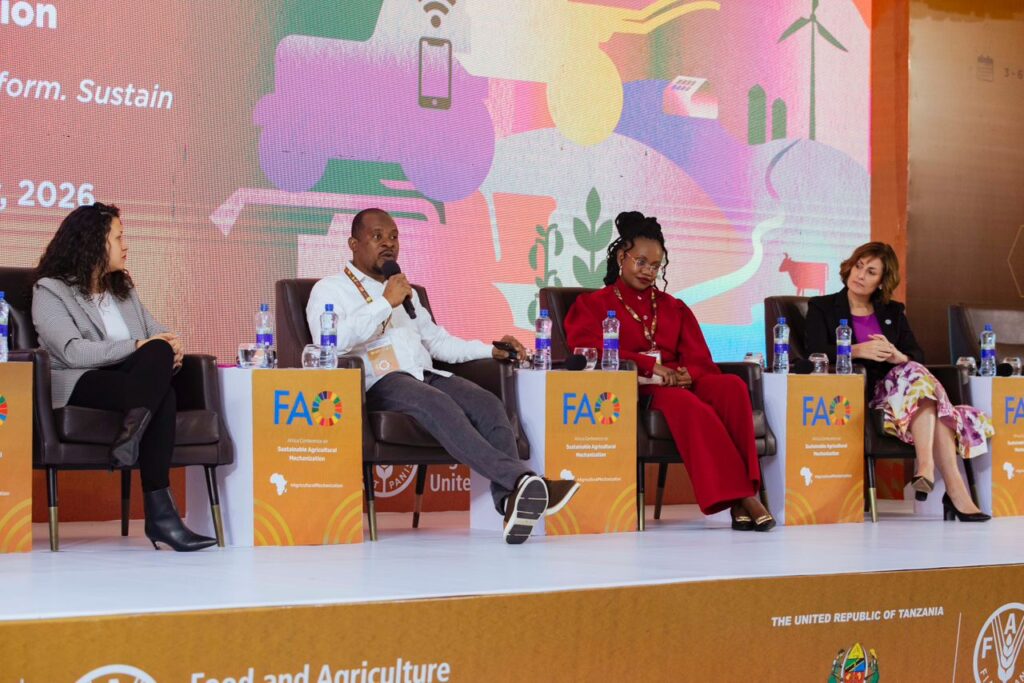
Kamal Deen Yakub participated in ACSAM 2026 as a speaker and panelist, taking part in sessions focused on the digital transformation of agricultural mechanization. His presence was visible across multiple segments of the conference, including panel discussions, stakeholder engagements, and official speaker interactions.
His role at the conference was particularly significant because it represented the growing influence of technology-driven private-sector solutions in addressing agricultural challenges in Africa. By contributing practical insights based on real-world experience, Yakub added depth to discussions that often focus heavily on policy and institutional frameworks. Kamal Deen Yakub at ACSAM 2026.
Focus of His Presentation: Digital Transformation of Mechanization
At ACSAM 2026, Kamal Deen Yakub spoke extensively about how digital technologies can reshape agricultural mechanization systems in Africa. His presentation and panel contributions centered on the idea that mechanization should not be limited to the ownership of tractors and equipment, but should be viewed as a service ecosystem supported by technology.
He emphasized that digital transformation is essential for making mechanization accessible, efficient, and inclusive, especially for smallholder farmers who make up the majority of Africa’s agricultural workforce.
Making Mechanization Accessible Through Digital Platforms
One of the core issues Kamal Deen Yakub addressed was access to mechanization. Across many African countries, farmers struggle to access tractors and farm machinery due to high costs, limited availability, and logistical challenges. In many cases, machinery exists but is poorly distributed or underutilized. Kamal Deen Yakub at ACSAM 2026.
Yakub explained how digital platforms can bridge this gap by connecting farmers directly with machinery owners and service providers. Through technology-enabled systems, farmers can request mechanization services on demand, schedule operations efficiently, and reduce delays during critical farming periods such as planting and harvesting. Kamal Deen Yakub at ACSAM 2026.
He stressed that such platforms can significantly improve timeliness, which is a crucial factor in agricultural productivity. Delayed land preparation or harvesting often results in lower yields, and digital coordination can help prevent these losses.
Empowering Smallholder Farmers
Another major theme of Yakub’s contribution was the need to support smallholder farmers, who remain the backbone of African agriculture. Despite their importance, smallholder farmers are often excluded from mechanization due to financial constraints and lack of access to information.
Kamal Deen Yakub highlighted how digital solutions can democratize access to mechanization by lowering entry barriers. Instead of purchasing expensive machinery, farmers can access services when needed, paying only for what they use. This model reduces financial risk and makes mechanization more affordable for rural farmers. Kamal Deen Yakub at ACSAM 2026.
He also pointed out that digital platforms can help farmers make better decisions by providing data on service availability, pricing, and timing, thereby improving transparency and trust in mechanization systems.
Improving Efficiency and Productivity
Efficiency was another key aspect of Yakub’s discussion at ACSAM 2026. He noted that inefficiencies in traditional mechanization systems often lead to wasted time, increased costs, and underutilization of machinery. Kamal Deen Yakub at ACSAM 2026.
By using digital tools to coordinate demand and supply, mechanization services can be optimized. Tractors and equipment can serve more farmers within a season, operators can plan routes more effectively, and service providers can track performance and maintenance needs.
According to Yakub, these efficiency gains translate directly into higher productivity, better yields, and improved incomes for farmers. Over time, this can contribute to stronger rural economies and improved food security across Africa.
The Role of the Private Sector in Sustainable Mechanization
Kamal Deen Yakub strongly emphasized the role of the private sector in advancing sustainable agricultural mechanization. While governments and development partners play a critical role in policy and financing, he argued that innovation and scalability often come from private enterprises. Kamal Deen Yakub at ACSAM 2026.
He highlighted the importance of creating an enabling environment that encourages entrepreneurship, investment, and innovation in the agricultural sector. This includes supportive policies, access to finance, and partnerships between the public and private sectors. Kamal Deen Yakub at ACSAM 2026.
Yakub’s perspective reinforced the idea that sustainable mechanization requires collaboration among governments, international organizations, private companies, and farmers themselves.
Sustainability and Climate Considerations
Sustainability was a recurring theme throughout ACSAM 2026, and Kamal Deen Yakub addressed this issue in relation to mechanization and technology. He emphasized that mechanization must be designed in a way that supports environmental sustainability and climate resilience.
Digital systems, he explained, can help optimize machinery use, reduce fuel waste, and support better planning of agricultural operations. By promoting efficient use of resources, technology can help ensure that mechanization contributes positively to climate-smart agriculture rather than exacerbating environmental challenges.
Engagement and Networking at the Conference
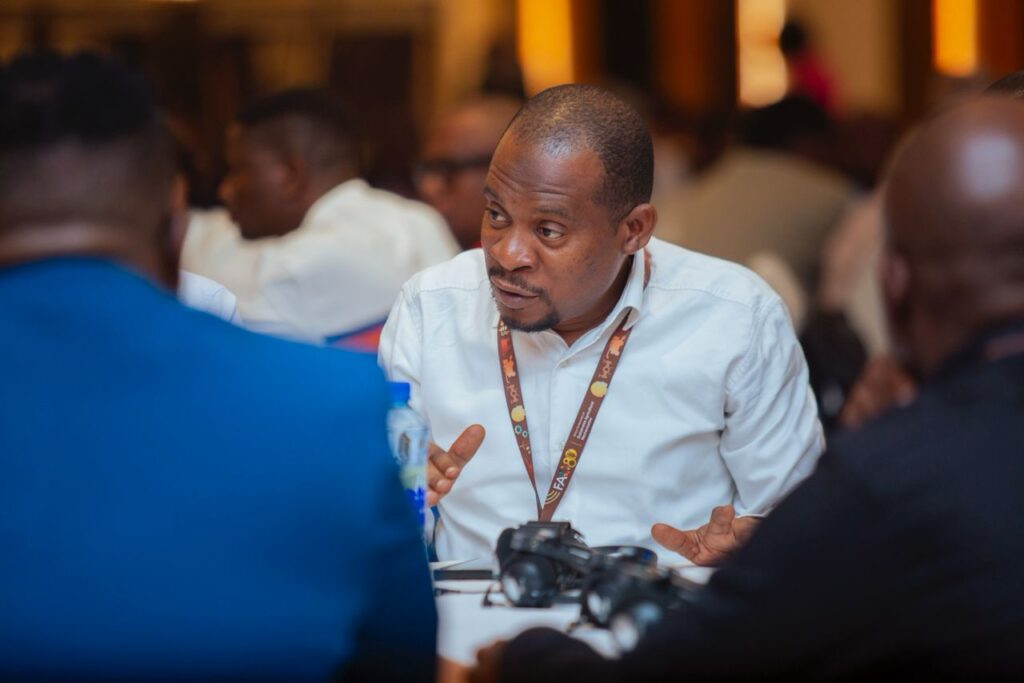
Beyond his formal speaking role, Kamal Deen Yakub actively engaged with fellow speakers, FAO officials, policymakers, and other conference participants. He took part in networking sessions, side discussions, and stakeholder engagements, exchanging ideas and exploring opportunities for collaboration.
His engagement reflected the interactive nature of ACSAM 2026, which aimed not only to share knowledge but also to foster partnerships that can drive real change on the ground.
Significance of His Participation
Kamal Deen Yakub’s participation at the Africa Conference on Sustainable Agricultural Mechanization 2026 was significant for several reasons. First, it highlighted the growing importance of digital innovation in addressing agricultural challenges in Africa. Second, it underscored the value of private-sector perspectives in shaping policy and development discussions. Kamal Deen Yakub at ACSAM 2026.
By focusing on practical, technology-driven solutions, Yakub contributed to the conference’s goal of moving beyond theory to actionable strategies that can be implemented at scale. His insights resonated with the broader conference agenda of promoting inclusive, efficient, and sustainable agricultural systems.
Implications for Africa’s Agricultural Future
The discussions at ACSAM 2026, including Kamal Deen Yakub’s contributions, point to a future where agricultural mechanization in Africa is increasingly driven by technology, data, and innovation. Digital platforms have the potential to transform how farmers access services, how machinery is utilized, and how agricultural value chains operate. Kamal Deen Yakub at ACSAM 2026.
As African countries continue to pursue agricultural transformation, the ideas shared at the conference provide valuable guidance for policymakers, investors, and practitioners seeking to modernize the sector.
Kamal Deen Yakub at ACSAM 2026
The Africa Conference on Sustainable Agricultural Mechanization 2026 served as an important milestone in Africa’s journey toward modern, sustainable agriculture. Kamal Deen Yakub’s participation as a speaker and panelist added a strong digital and private-sector dimension to the discussions, emphasizing the power of technology to unlock access to mechanization for millions of farmers. Kamal Deen Yakub at ACSAM 2026.
By addressing issues such as digital access, smallholder inclusion, efficiency, sustainability, and private-sector engagement, Yakub contributed meaningfully to the conference’s objectives. His insights reinforced the idea that the future of agricultural mechanization in Africa lies not only in machinery, but in smart systems that connect people, technology, and opportunity.