




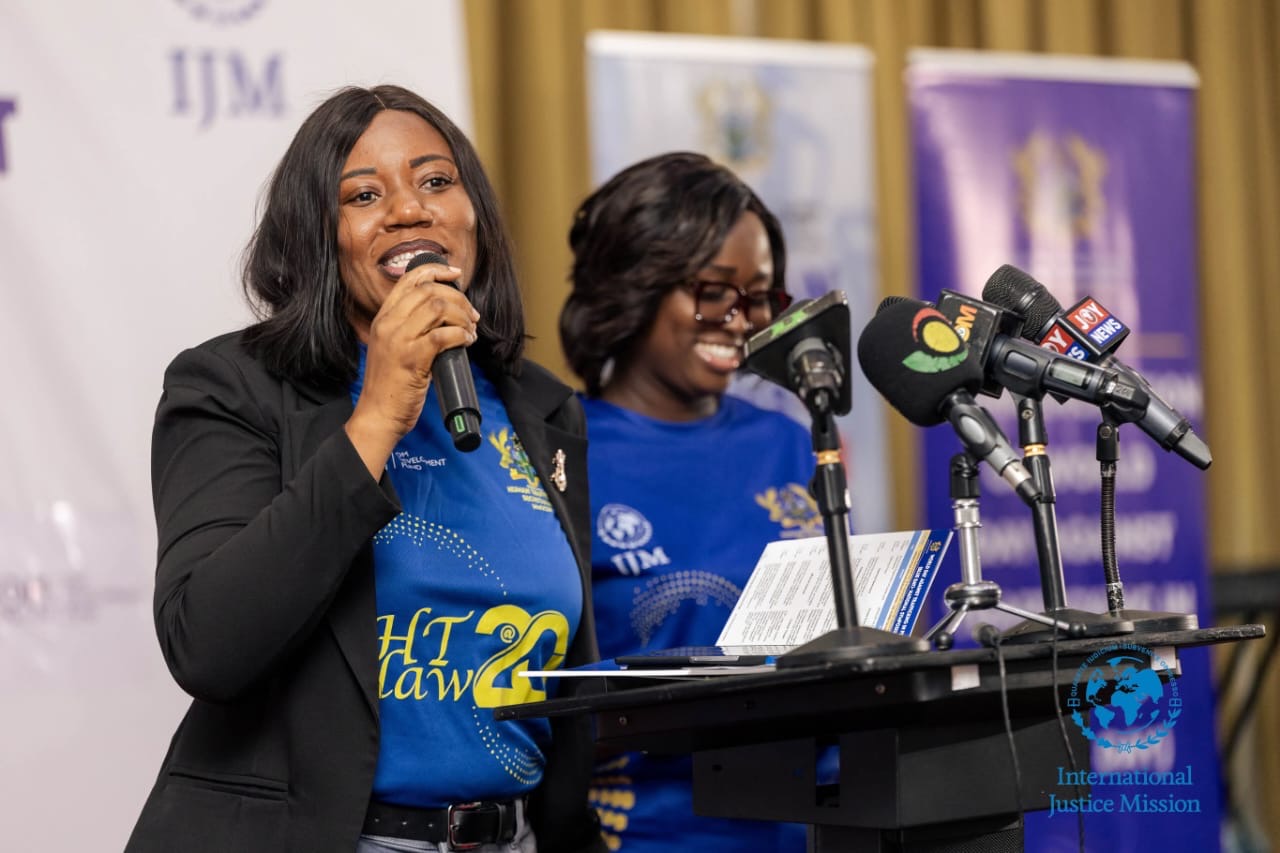
Learn how human trafficking in Ghana is being tackled through stronger partnerships, victim protection, law enforcement, and community awareness.
Introduction
Human trafficking in Ghana remains one of the most serious human rights challenges affecting vulnerable children, women, and men across the country. Despite significant legal and institutional progress over the past two decades, traffickers continue to exploit victims through forced labour, sexual exploitation, child trafficking, domestic servitude, and deceptive recruitment practices.
Every year, the World Day Against Trafficking in Persons reminds governments, civil society organizations, law enforcement agencies, journalists, development partners, and local communities that ending human trafficking requires collective action. In 2026, Ghana marked two significant milestones: the global observance of World Day Against Trafficking in Persons and the 20th anniversary of the Human Trafficking Act, 2005 (Act 694), which laid the legal foundation for combating trafficking nationwide.
Although Ghana has made remarkable progress, the journey is far from over. The country’s experience demonstrates that legislation alone cannot eliminate trafficking. Sustainable success depends on strong partnerships, effective institutions, informed communities, survivor-centered services, and coordinated justice systems.
This article explores Ghana’s progress over the past twenty years, the lessons learned, and why partnerships remain the strongest weapon against human trafficking.
Understanding Human Trafficking in Ghana
Human trafficking is the recruitment, transportation, transfer, harbouring, or receipt of persons through force, deception, abuse of vulnerability, or coercion for the purpose of exploitation.
In Ghana, trafficking occurs in many forms, including:
- Child labour in fishing communities
- Forced labour on farms and mining sites
- Domestic servitude
- Commercial sexual exploitation
- Cross-border trafficking
- Online recruitment scams targeting unemployed youth
Victims are often promised education, employment, or better living conditions but instead find themselves trapped in situations where their freedom is taken away.
Children remain among the most vulnerable victims because traffickers exploit poverty, limited educational opportunities, and weak family support systems.
Ghana’s Human Trafficking Act: Twenty Years of Progress
The passage of the Human Trafficking Act, 2005 (Act 694) marked a turning point in Ghana’s fight against trafficking.
The law did much more than criminalize trafficking offences. It established a comprehensive national framework focused on four key pillars:
- Prevention
- Protection
- Prosecution
- Partnership
The Act also established the Human Trafficking Secretariat and recognized the importance of sustainable victim support through the Human Trafficking Fund. These institutions created a coordinated approach for protecting victims while ensuring offenders are brought to justice.
Twenty years later, Ghana has strengthened its legal framework, improved victim identification, enhanced investigations, and increased collaboration among government institutions and civil society organizations.
Nevertheless, trafficking continues to evolve, requiring continuous innovation and stronger cooperation.
Why Partnerships Matter More Than Ever
Perhaps the greatest lesson Ghana has learned over the past twenty years is that no single institution can eliminate trafficking alone.
Strong laws are important.
Effective police investigations are necessary.
Dedicated prosecutors are essential.
Victim care is critical.
However, none of these efforts can succeed without collaboration.
As highlighted during the World Day Against Trafficking in Persons commemorative event, prevention, protection, and prosecution become effective only when supported by meaningful partnerships across sectors.
When government agencies, law enforcement, social welfare professionals, prosecutors, civil society organizations, survivor advocates, and community leaders work together, traffickers face a significantly higher risk of being identified, arrested, prosecuted, and convicted.
This coordinated response not only delivers justice but also discourages future trafficking by increasing the certainty of punishment.
International Justice Mission’s Contribution
Over the past eleven years in Ghana and nearly three decades globally, the International Justice Mission (IJM) has worked alongside government institutions to strengthen public justice systems.
Their experience consistently demonstrates that trafficking becomes less common when justice institutions function together rather than independently.
Instead of isolated interventions, successful anti-trafficking efforts require:
- Effective investigations
- Professional prosecutions
- Survivor rehabilitation
- Community engagement
- Coordinated government leadership
This integrated approach increases accountability while improving long-term protection for vulnerable populations.
Civil Society: An Essential Partner
Civil society organizations continue to play a critical role in combating human trafficking in Ghana.
One notable example is the Coalition of NGOs Against Child Trafficking (CNACT), which demonstrates how organizations can achieve greater impact by sharing expertise, coordinating advocacy, and supporting national priorities instead of working in isolation.
Such partnerships improve:
- Public education
- Victim referrals
- Community awareness
- Policy advocacy
- Capacity building
By working closely with government agencies, NGOs help bridge service gaps while ensuring survivors receive timely assistance.
Survivor Leadership is Changing Communities
One of the most inspiring developments in Ghana’s anti-trafficking movement is the growing recognition of survivor leadership.
Individuals who once experienced trafficking are increasingly becoming advocates for prevention and community education.
The Ghana Survivor Network provides an excellent example of this transformation.
Working across the Greater Accra, Volta, and Central Regions, survivor leaders educate communities, support vulnerable children, assist returning survivors, and collaborate with local authorities to prevent trafficking before it occurs.
A particularly powerful example involves a former trafficking victim who has become a teacher and community advocate dedicated to protecting vulnerable children.
His story demonstrates that survivors are not merely beneficiaries of assistance—they are powerful agents of change whose lived experiences strengthen prevention efforts and inspire communities.
The Media’s Role in Fighting Human Trafficking in Ghana
The media is one of the most powerful allies in the fight against human trafficking in Ghana. Journalists, bloggers, broadcasters, and digital content creators have the ability to educate the public, expose trafficking networks, and amplify the voices of survivors.

Beyond reporting the news, responsible media professionals help communities recognize the warning signs of trafficking and encourage victims or witnesses to report suspicious activities. Accurate reporting also helps reduce misinformation while promoting a victim-centred approach to storytelling.
A recent example highlighted during the World Day Against Trafficking in Persons celebration illustrates this impact. A blogger received messages from young Nigerians who had been trafficked into Ghana under the false promise of employment. Because the blogger recognized the indicators of human trafficking and knew the appropriate reporting channels, the information was passed to the Ghana Police Service, leading to the successful rescue of eighteen young men. This example demonstrates how informed media professionals can directly contribute to saving lives.
To strengthen this partnership further, journalists and bloggers continue to receive specialized training on identifying trafficking indicators, understanding referral mechanisms, and supporting national anti-trafficking efforts through ethical reporting.
Five Commitments for the Next Twenty Years
As Ghana reflects on two decades of progress under the Human Trafficking Act, stakeholders have identified five strategic commitments that should guide the country’s future response.
1. Strengthening Government Leadership and Coordination
Government institutions remain at the centre of Ghana’s anti-trafficking strategy. Effective coordination among the Ghana Police Service, Ghana Immigration Service, Department of Social Welfare, the Human Trafficking Secretariat, prosecutors, and other public institutions is essential for delivering timely protection and justice.
All anti-trafficking interventions should align with Ghana’s National Plan of Action rather than operate independently. Strong government ownership ensures consistency, accountability, and sustainability across all sectors.
2. Providing Trauma-Informed, Victim-Centred Care
Victims of trafficking often experience severe psychological, emotional, and physical trauma. Recovery requires more than rescue—it demands compassionate, long-term support.
A victim-centred approach prioritizes dignity, confidentiality, safety, and empowerment throughout the legal and rehabilitation process. Every survivor should receive appropriate healthcare, counselling, legal assistance, education, and opportunities for reintegration into society.
3. Improving Multi-Agency Case Management
Human trafficking investigations frequently involve multiple institutions. Without effective communication and coordinated case management, survivors may fall through the cracks while investigations become delayed.
Strengthening referral pathways, improving information sharing, and establishing clear responsibilities among institutions will improve both victim support and criminal prosecutions.
4. Becoming More Data-Driven
Reliable data is essential for making informed policy decisions.
By strengthening national databases, improving evidence collection, and encouraging responsible information sharing, Ghana can better identify trafficking trends, allocate resources efficiently, and evaluate the effectiveness of anti-trafficking interventions.
Evidence-based decision-making enables authorities to respond proactively rather than reactively.
5. Elevating Survivor Leadership
Perhaps the most transformative commitment is ensuring that survivors actively shape Ghana’s anti-trafficking response.
Survivors possess unique lived experiences that can strengthen prevention campaigns, improve victim services, influence policy reforms, and enhance institutional learning.
Rather than viewing survivors solely as beneficiaries, Ghana increasingly recognizes them as partners whose voices are essential for building effective public justice systems.
What Every Citizen Can Do
Ending human trafficking in Ghana is not solely the responsibility of government institutions. Every citizen has a role to play.
Individuals can contribute by:
- Learning the signs of human trafficking.
- Reporting suspected trafficking cases to the appropriate authorities.
- Being cautious of fraudulent employment offers.
- Educating family members, especially young people, about trafficking risks.
- Supporting organizations that provide services to survivors.
- Sharing verified information to raise public awareness.
Communities that are informed and vigilant are significantly more resistant to traffickers.
Frequently Asked Questions
What is human trafficking?
Human trafficking is the recruitment, transportation, transfer, harbouring, or receipt of people through force, fraud, deception, or coercion for exploitation.
Who is most vulnerable to trafficking in Ghana?
Children, unemployed youth, migrants, women, and economically vulnerable individuals are among the groups most at risk.
What is Ghana’s Human Trafficking Act?
The Human Trafficking Act, 2005 (Act 694), is Ghana’s primary legislation for preventing trafficking, protecting victims, prosecuting offenders, and coordinating national anti-trafficking efforts.
Why are partnerships important?
Human trafficking involves multiple sectors. Government agencies, civil society organizations, survivor groups, media professionals, and communities achieve greater impact when they collaborate.
How can I report suspected trafficking?
Anyone who suspects a trafficking case should immediately contact the Ghana Police Service, Ghana Immigration Service, or the Human Trafficking Secretariat for appropriate intervention.
Conclusion
Twenty years after the enactment of the Human Trafficking Act, Ghana has demonstrated that meaningful progress is possible through strong legislation, committed institutions, and effective collaboration. Yet the fight against human trafficking in Ghana is far from over.
The experiences shared during the 2026 World Day Against Trafficking in Persons reinforce one clear message: partnerships save lives. When government agencies coordinate effectively, civil society organizations work together, journalists report responsibly, communities remain vigilant, and survivors are empowered to lead, the nation’s justice system becomes stronger and more capable of protecting vulnerable people.
The next twenty years present an opportunity to deepen these partnerships, improve victim-centred services, strengthen prosecutions, and build safer communities for everyone. Success will depend not only on the strength of Ghana’s laws but also on the collective commitment of every institution and every citizen.
Together, Ghana can continue to reduce human trafficking, protect the vulnerable, and ensure that justice is accessible to all.
