




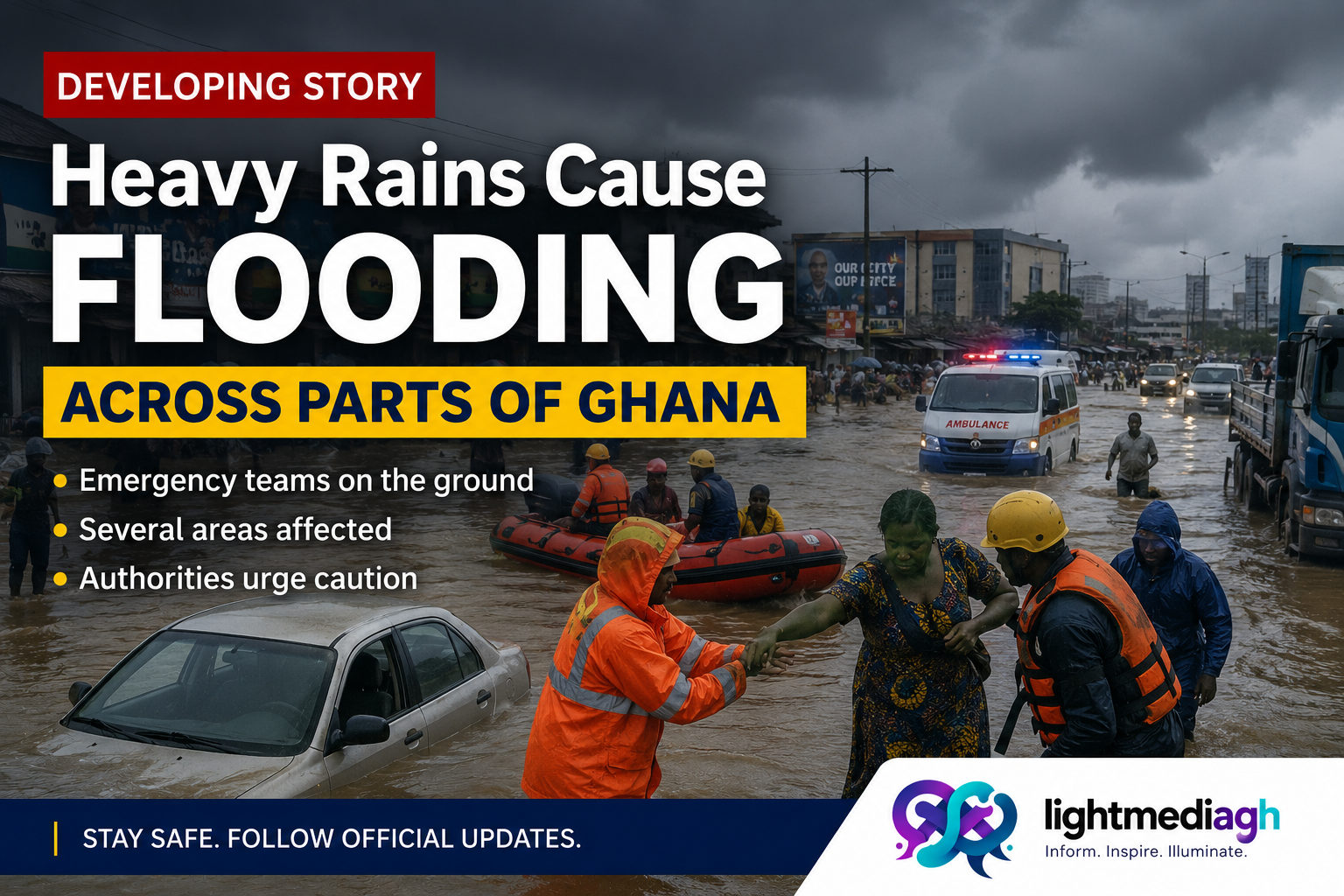
West Africa floods have displaced thousands across the region, while experts warn Ghana could experience heavier rainfall and increased flood risks.
Thousands Affected as Floodwaters Sweep Across West Africa
Severe flooding across parts of West Africa has left thousands of people displaced, damaged homes and infrastructure, and renewed concerns about the growing impact of extreme weather events across the region.
Several communities have been forced to evacuate after days of persistent rainfall caused rivers to overflow, destroying roads, bridges, farmland, and residential areas. Emergency responders and humanitarian organizations continue to assist affected families while assessing the full extent of the damage.
Although the worst-hit areas are outside Ghana, weather experts say the country should remain alert as similar weather conditions could increase the risk of flooding during the current rainy season.
Why the Flooding Is Happening
Climate specialists say unusually intense rainfall, combined with poor drainage systems and rapid urban development in many West African cities, has contributed to widespread flooding.
Scientists have also linked the increasing frequency of extreme weather events to climate change, which is making heavy rainfall more intense in many parts of the world.
Communities located near rivers, low-lying areas, and flood-prone settlements are considered particularly vulnerable whenever prolonged rainfall occurs.
What It Means for Ghana
While Ghana has not experienced flooding on the same scale as some neighboring countries in recent days, authorities have repeatedly warned residents to remain cautious during periods of heavy rain.
Cities including Accra, Kumasi, Cape Coast, and Takoradi have historically experienced flash floods after prolonged downpours, especially where drainage systems are blocked or overwhelmed.
Residents are being encouraged to:
- Avoid driving or walking through floodwaters.
- Keep drains around homes free from waste.
- Follow official weather updates and emergency advisories.
- Move to safer locations if flooding begins.
- Prepare emergency supplies during periods of persistent rainfall.
Taking preventive measures early can significantly reduce the risk of injuries and property damage.
Economic and Environmental Impact
Flooding affects more than homes and roads. It can interrupt transportation, destroy crops, damage businesses, contaminate water sources, and increase the risk of waterborne diseases.
Farmers are among those most affected, as excessive rainfall can destroy crops before harvest, reducing food supplies and affecting household incomes.
Businesses may also experience temporary closures due to damaged infrastructure and inaccessible roads.
Environmental experts warn that without stronger investment in drainage infrastructure, urban planning, and climate resilience, flooding could become more frequent across many West African countries.
Calls for Better Preparedness
Disaster management agencies across the region continue to urge governments, local authorities, and residents to strengthen flood preparedness efforts.
Experts recommend improving drainage systems, enforcing building regulations in flood-prone areas, expanding early warning systems, and increasing public education on disaster preparedness.
They also emphasize that communities play an important role by avoiding the dumping of refuse into drains, which can worsen flooding during heavy rainfall.
Looking Ahead
As the rainy season continues, weather experts expect periods of heavy rainfall to remain possible across parts of West Africa, including Ghana.
Although weather patterns cannot predict exactly where flooding will occur, staying informed and following official safety guidance can help communities reduce potential risks.
For many families across the region, the recent floods serve as another reminder of the importance of preparedness as climate-related weather events become increasingly common.
Conclusion on West Africa Floods
The recent West Africa floods highlight the growing challenges posed by extreme weather across the region. While Ghana has not experienced the same level of destruction, the possibility of heavy rainfall means residents should remain vigilant.
Preparedness, responsible environmental practices, and improved infrastructure will be essential in reducing the impact of future flooding events and protecting lives and property.
